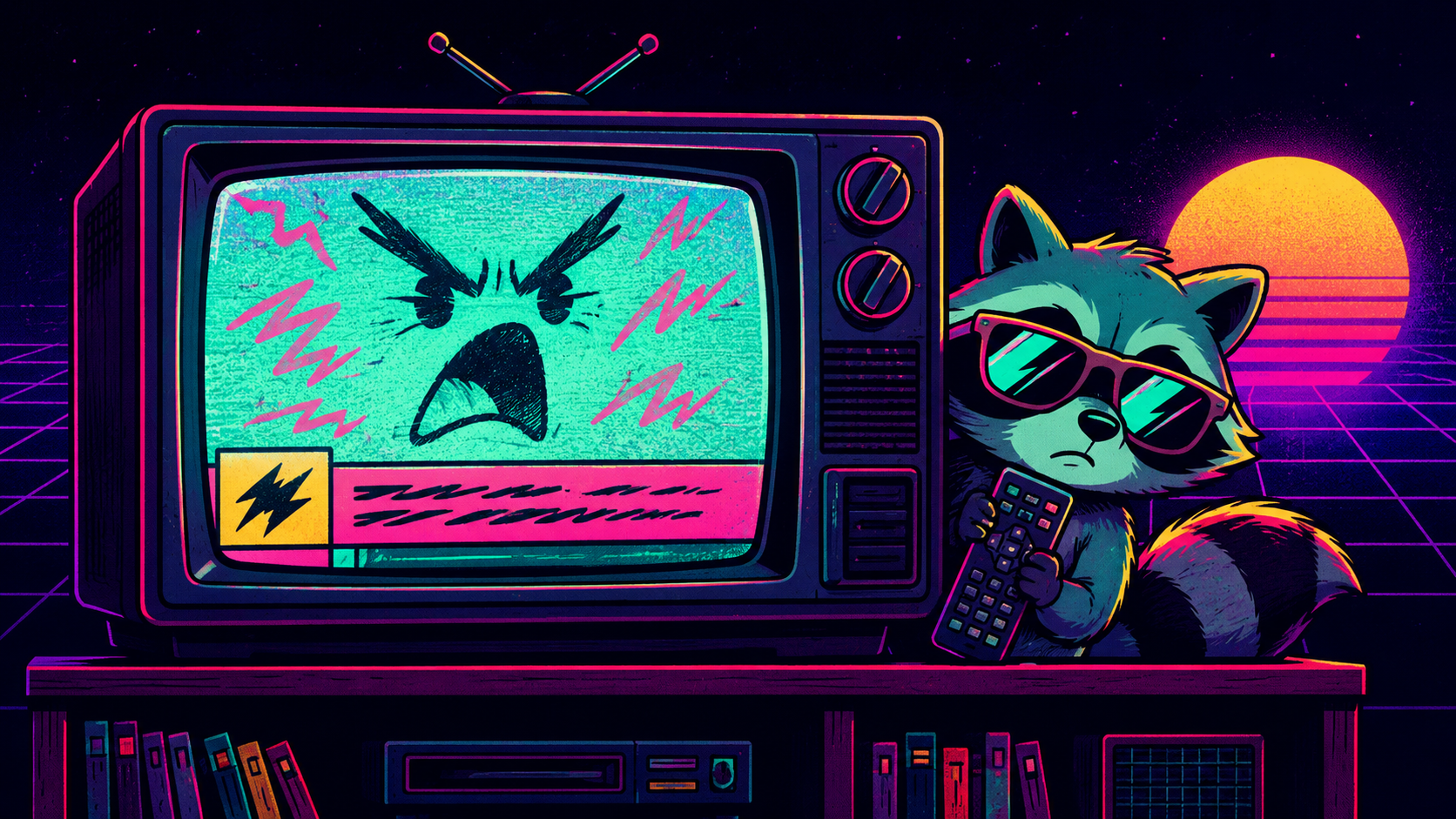
The Anger Trick: Why Some Content Is Built to Make You Furious
In 1987, a talk show host figured out that manufactured outrage keeps people watching. The same trick just moved from TV to your phone.
Essays and deep dives on misinformation, propaganda, and how information spreads — from the team behind Solitaire FactStack.

In 1987, a talk show host figured out that manufactured outrage keeps people watching. The same trick just moved from TV to your phone.

Your feed isn't showing you everything — it's showing you what keeps you scrolling. Here's what the research actually says about how much that shapes what you believe.

Newspapers didn't always separate fact from opinion — someone had to invent that idea. Here's why the distinction matters more than ever, and how framing sneaks in as a third category people forget to check for.

In 1954, a journalist wrote the book on how statistics get twisted without technically lying. Decades later, the tricks are exactly the same — just faster.

Stanford researchers put historians, undergrads, and professional fact-checkers through the same test. The fact-checkers won by a landslide — and it wasn't because they knew more.