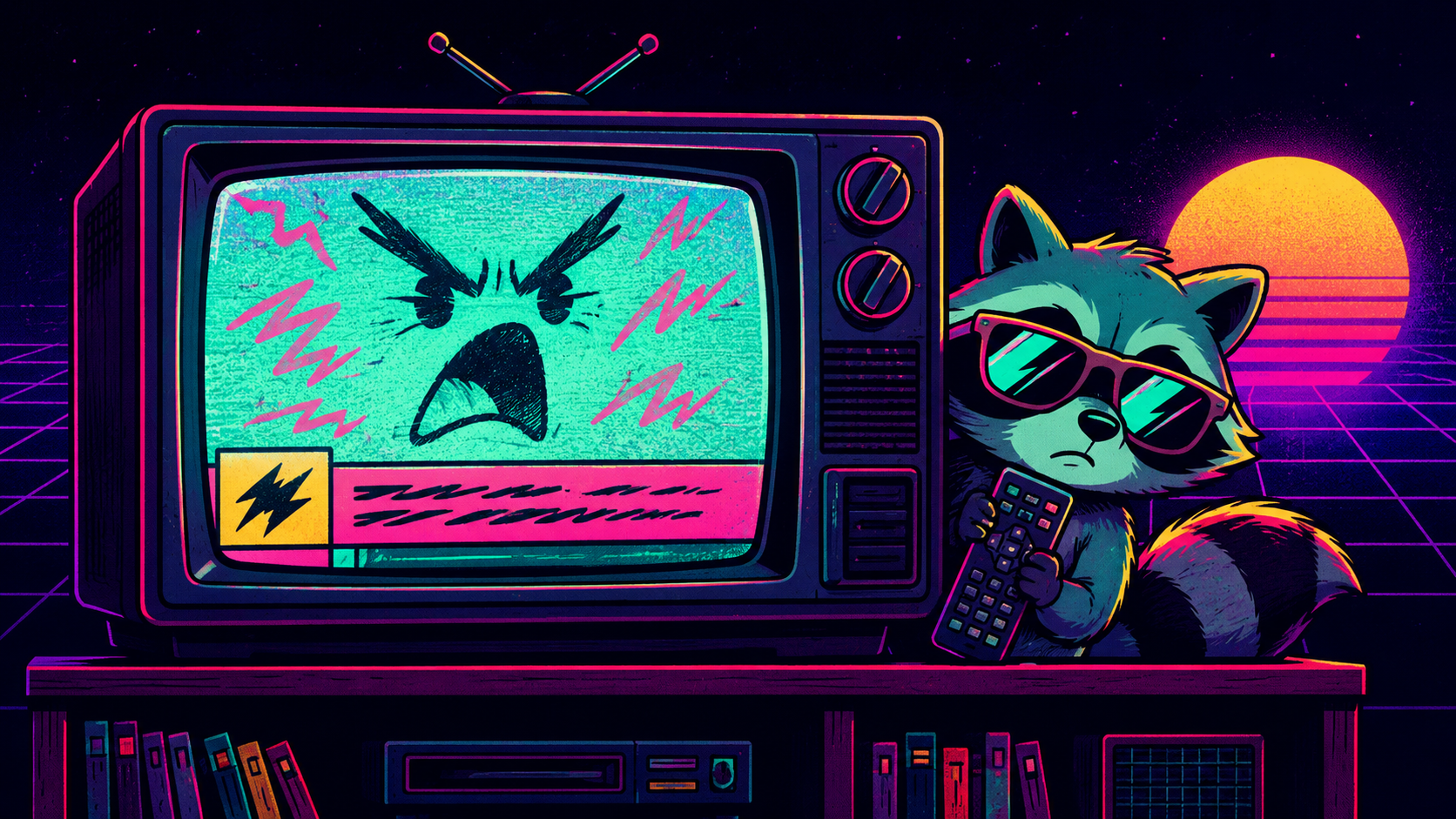
In the fall of 1987, a talk show host named Morton Downey Jr. started yelling at people on a local New York/New Jersey TV station — and within a year, it was a national phenomenon.
The format was simple. Bring on guests who despised each other. Pack the studio audience with people primed to boo, cheer, and pile on. Let the host bully, interrupt, and blow cigarette smoke in people's faces. Never actually resolve anything. The show's own executive producer said it plainly at the time: half the audience came for the issues, half came for the fights. Either way, they came.
And it worked — for a while. The show hit national syndication within a year, drew millions of viewers, and became a genuine TV event. Then, just as fast, it collapsed. Audiences got tired of the same trick. Advertisers backed away. Guests stopped showing up. Less than two years after it started, it was gone.
Here's the part that matters almost 40 years later: the show wasn't really about any one topic it covered. Politics, crime, celebrity scandals — the subject barely mattered. What mattered was that something made people feel something strongly enough to keep watching. That's the whole business model. Not "inform people," not even "entertain people" — just provoke people, because provoked people don't change the channel.
That business model never went away. It just moved.
You don't need a TV studio and a live audience anymore. A headline can do the same job in four words. A thumbnail with a shocked face and a red arrow can do it. A tweet stripped of context can do it. The mechanism is identical to what was happening on that stage in 1987: strip away the boring, complicated parts of a story, dial up whatever makes someone feel outrage, fear, or vindication, and let that feeling do the work of keeping their attention — because attention is what gets paid for, whether the currency is 1988 ad rates or 2026 ad impressions.
A few ways to spot it:
- It tells you how to feel before it tells you what happened. "Official's SHOCKING claim" is a feeling. "Official said X" is a fact. Notice which one you're being handed.
- It skips the boring middle. Manufactured outrage rarely survives context. If a headline or clip feels explosive, check whether the full story is actually that dramatic once you read past the first line.
- It never really resolves. Just like Downey's show, a lot of outrage content isn't built to leave you informed — it's built to leave you keyed up, ready for the next one.
The good news: this trick has a pretty short shelf life once you know it's a trick. Downey's own show is proof — the same formula that made it huge burned through its audience in under two years. The tactic doesn't stop existing, but it stops working on you specifically once you can name it.
Next time something makes you furious in under five seconds, it's worth asking who benefited from that feeling — and whether the story underneath it was ever really that simple.
Solitaire FactStack drops one media literacy fact into every game of Klondike solitaire you play — free, ad-supported, and built to make you a little sharper one hand at a time. Play free now →